Peptic Ulcers
Short-term treatment and maintenance of healing of active duodenal ulcers and active, benign gastric ulcers.
Ranitidine is an H2-receptor antagonist (H2RA) which inhibits both daytime and nighttime gastric acid secretions.
H2RAs attach to histamine H2 receptors on acid-secreting stomach cells to block histamine from binding to the receptor, preventing gastric acid release.

Short-term treatment and maintenance of healing of active duodenal ulcers and active, benign gastric ulcers.
Treatment of GERD symptoms like heartburn and acid reflux.
Treatment and maintenance of healing of erosive esophagitis.
Treatment of pathological hypersecretory conditions such as Zollinger-Ellison Syndrome and systemic mastocytosis.

Take ranitidine only as directed by your healthcare provider. Ask before switching from another heartburn or acid-reducing medicine.
Take exactly as directed on the label or as prescribed by your doctor.
Take it when you remember, unless it is almost time for the next dose. Never double up.

Tell your doctor about medication allergies, all medicines you take, and any kidney or liver disease. Your dose may need adjustment.
The updated formulation includes manufacturing and stability improvements designed to address previous concerns about impurity formation during shelf life, while maintaining its acid-reducing effect.
The new labeling includes specific storage and handling instructions to help keep your medication stable.
After first opening, discard unused tablets after 3 months (90 days) OR by the expiration date on the bottle, whichever comes first.
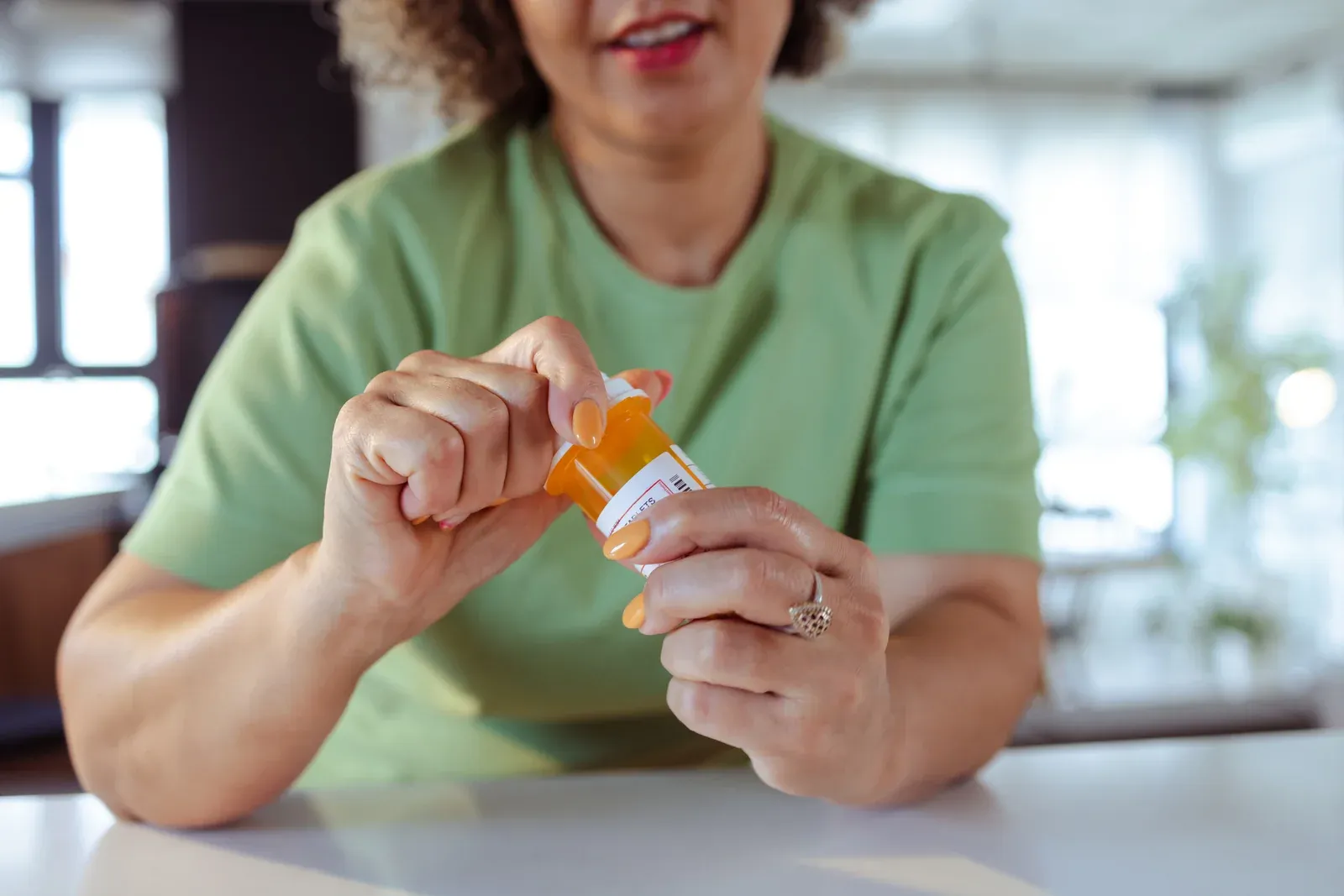
Keep tablets in the original container. Protect them from moisture.
If you receive multiple bottles, leave the extras unopened until needed.
At dosing, remove one tablet. Immediately replace the cap and keep the bottle tightly closed.
Keep the moisture-absorbing desiccant in the bottle.
Use your bottle label to track when to discard unused tablets.
STORAGE AND HANDLING: After first opening, store the tablets in the original bottle for up to 3 months (90 days), after which, discard unused tablets. The discard after date should be noted on the bottle. Replace cap securely after each opening. Keep the bottle tightly closed. Do not remove desiccant from bottle. Protect from light.
CONTRAINDICATIONS: Ranitidine Tablets are contraindicated for patients known to have hypersensitivity to the drug or any of the ingredients.
PRECAUTIONS:
ADVERSE REACTIONS: The following have been reported as events in clinical trials or in the routine management of patients treated with Ranitidine Tablets. Headache, sometimes severe, seems to be related to administration of Ranitidine Tablets. Other common adverse effects are among those typical of H2-blockers and include constipation, diarrhea, nausea/vomiting, abdominal discomfort/pain, blood count changes, and rash.
There have been occasional reports of hepatitis with or without jaundice. In such circumstances, ranitidine should be discontinued. These events are usually reversible, but in rare circumstances, death has occurred.
Tell your doctor if you have any side effects. You can report side effects at 1-800-FDA-1088 or www.fda.gov/medwatch.